Editorial: Clear Answers Needed as Han Duk-soo Enters the Presidential Race

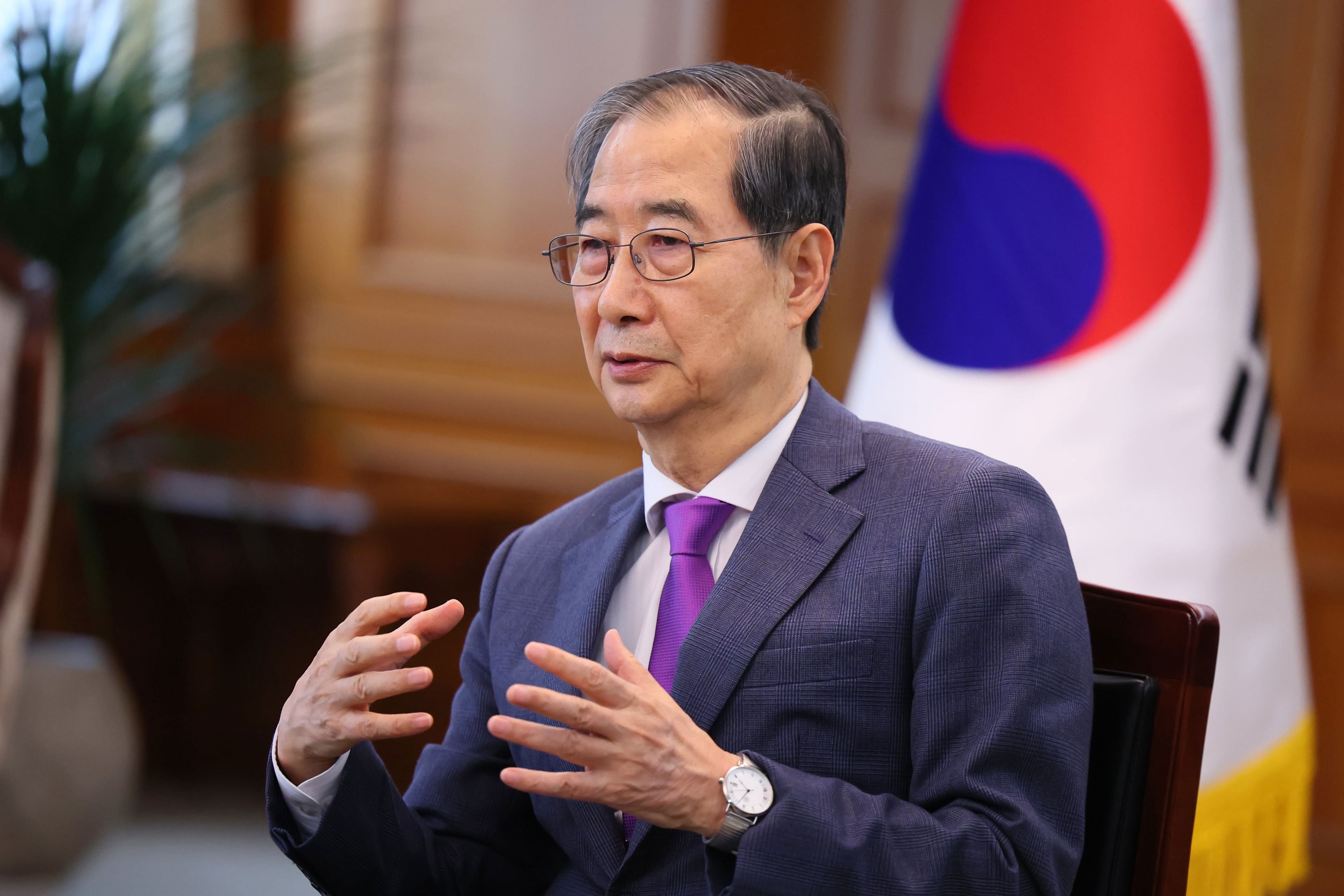
It is anticipated that Acting President Han Duck-soo will shortly declare his intention to run for president. His main assistant, Son Young-taek, stepped down on April 28, with expectations that other politically appointed individuals will also resign to establish a campaign organization.
Rumors surrounding Han’s potential bid intensified after his conversation with U.S. President Donald Trump on April 8th, when Trump initiated the discussion. Approximately fifty legislators from the People Power Party (PPP) have voiced their backing, and a group of citizens has established an organizing committee. Despite Han maintaining that no definitive choice has been reached, he has toured various local industrial facilities and addressed topics like trade and security matters—including tariffs and the American troop deployment—in talks with international press outlets. Such activities indicate clear political maneuvers.
The presidential contenders from the PPP, previously reluctant to rally behind Han, have now changed their position. Each of the four aspirants has consented to this ultimate consolidation effort. Initially, Han plans to contest as an independent before attempting to merge his campaign with the chosen PPP candidate, scheduled to be decided on May 3, potentially via popular surveys.
Han boasts extensive governmental experience, having held positions such as minister, ambassador to the United States, deputy prime minister for economic affairs, and prime minister. This background in governance and commerce is viewed as an asset amid worldwide trade disruptions and growing threats to South Korea’s economy. Despite not officially declaring his candidacy, he has topped several opinion polls amongst conservative contenders.
Nonetheless, the positions of a designated prime minister and an elected president inherently vary significantly. The Democratic Party contends that it would be unjust for an individual responsible for ensuring free elections to participate in them personally. Numerous citizens likewise express doubts about the suitability of Han’s candidature, particularly considering his tenure as prime minister during ex-President Yoon Suk-yeol’s term, which ended due to impeachment over allegations of attempted imposition of martial law. According to a survey, 66% of participants deem Han’s bid for presidency undesirable.
Before going public, Han needs to explain his motivations clearly. Running solely to stop Lee Jae-myung from winning might come across as insincere and could backfire. Additionally, Han hasn’t shared his blueprint for being president. There are speculations suggesting that even if he wins, he may advocate for constitutional changes and step down prematurely; however, it’s unclear whether an exhausted electorate would endorse this idea.
As global dynamics shift swiftly and economic stagnation continues, Han needs to outline comprehensive strategies to address the shortcomings of the Yoon administration, foster national unity, and tackle the concurrent security and economic challenges.