Investors Panic Amid Trump Tariff Fears, Echoing Pandemic Days

- Stay updated with MailOnline's live blog for the latest information on Trump's 'Freedom Day' tariffs.
- READ MORE: Wall Street plummets as traders respond with alarm to Trump's tariffs
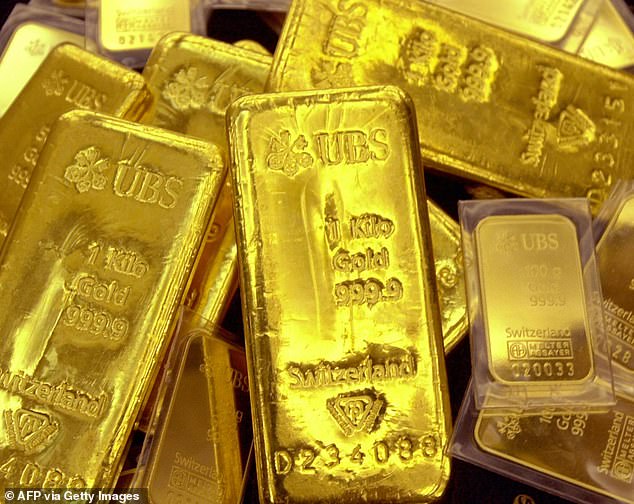
Investors are investing heavily in gold at the quickest rate since the beginning of the COVID-19 pandemic, spurred by concerns over Donald Trump's proposed tariffs.
On Tuesday, gold reached an all-time high of $3,148.88 per troy ounce, representing a 19 percent increase for the year. The troy ounce is a measurement primarily utilized for weighing precious metals such as gold, silver, and platinum.
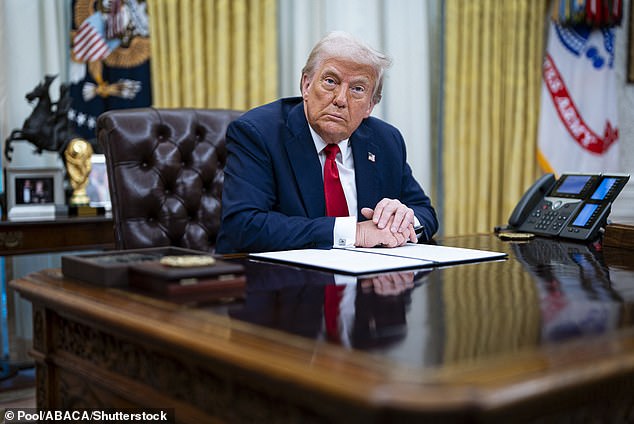
Investors are bracing for Trump's expansive new tariff plans , scheduled for announcement on Wednesday—which he affectionately calls 'Liberation Day.'
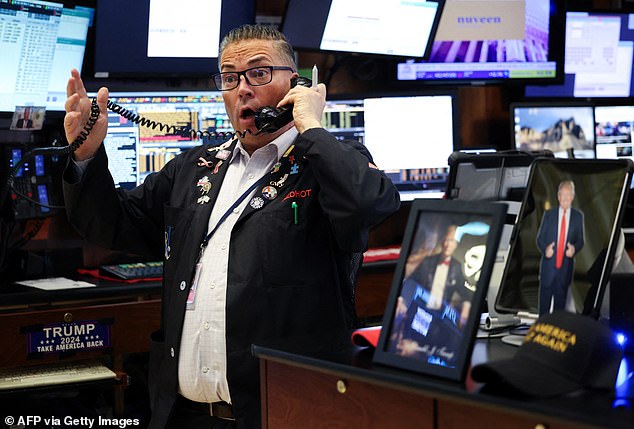
Stocks on Wall Street fell sharply on Monday due to uncertainties following Trump's actions. unusual danger of enforcing 20 percent duties for the majority of goods brought into the U.S.
Demand for gold usually increases during periods of economic instability when nervous investors look for secure places to invest.
Concerns about a potential global trade war and worries that Trump’s tariffs might trigger renewed economic issues are prevalent. inflation have driven prices higher.
As of now, investors have invested $19.2 billion into gold-backed exchange-traded funds (ETFs) this year, reports the Financial Times. According to Standard Chartered’s data, this represents the highest influx since the start of the pandemic.
A gold exchange-traded fund enables investors to participate in the gold market without actually possessing physical gold bullion.
Krishan Gopaul, a senior analyst from the World Gold Council, informed the Financial Times that uncertainty is among the primary elements contributing to a revived interest in gold.
'Currently, the market is experiencing an overall cautious attitude.'
In addition to tracker funds, concerns over tariffs have caused a significant increase in the transportation of physical gold bars to New York, as reported by the source.
With the cost of gold surging by 19 percent this year, The stock market has plummeted. .
The S&P 500 index, which monitors the performance of the 500 biggest U.S. firms, has declined by 4.5 percent so far this year, according to reports from AP.
Gold futures similarly achieved an all-time high during trade on Monday, nearing $3,157.40 per ounce.
Interest in buying gold typically spikes when investors become anxious - and there has been a lot of economic turmoil in recent months.
The greatest ambiguity surrounds Trump's increasing tensions. trade war The President’s alternating announcements about new taxes along with counter-tariffs from several of America’s longstanding partners have left both companies and customers feeling disoriented—a situation experts believe will result in increased costs as businesses pass these expenses onto them via higher prices.
Confidence began to beginning slide at the start of the year For both U.S. homes and companies because of concerns over rising prices and trade duties.
These concerns appear to be intensifying further, as Consumer confidence has been declining over the past few months. .
In the past year, analysts have similarly highlighted robust demand for gold. from central banks around the world amid geopolitical tension , including conflicts in Gaza and Ukraine, according to AP reports.
Proponents of allocating funds to gold refer to it as a 'safe haven,' asserting that this asset helps diversify and stabilize an investment portfolio, while also reducing potential future risks.
Others find solace in purchasing items with physical presence that have the possibility of appreciating in worth as time progresses.
However, critics argue that gold isn't necessarily the reliable inflation hedge that some believe it to be, and it can also be quite a fluctuating investment.
The Commodity Futures Trading Commission had earlier cautioned individuals about being cautious when considering investments in gold.
Precious metals can be highly volatile The commission stated that this occurs when demand increases, causing prices to rise accordingly.
As stated, this indicates that 'during periods of heightened economic anxiety or instability, those who usually benefit from investments in precious metals are the ones selling them.'
Read more