Diversity vs. Detachment: Singapore's Civil Service Builds Political Talent Pool

In many parts of Southeast Asia, political parties typically depend on personal charm or family influence to select their candidates. However, in Singapore, it is usually the stepping down of high-ranking civil servants and military officials that paves the way for individuals to enter politics—especially as elections approach.
Discussions surrounding prominent officials stepping down during an electoral year typically center on when and where they will be deployed by the governing People's Action Party (PAP).
As the elections are anticipated this month or the following one, various former government officials have been seen lately on-site wearing the distinctive PAP white attire. This group encompasses a previous army head as well as a retired deputy permanent secretary from the commerce department, both of whom stepped down earlier in the year.
Are you curious about the most significant issues and global trends? Find out here. SCMP Knowledge Our latest platform features handpicked content including explainers, FAQs, analyses, and infographics, all provided by our prestigious team.
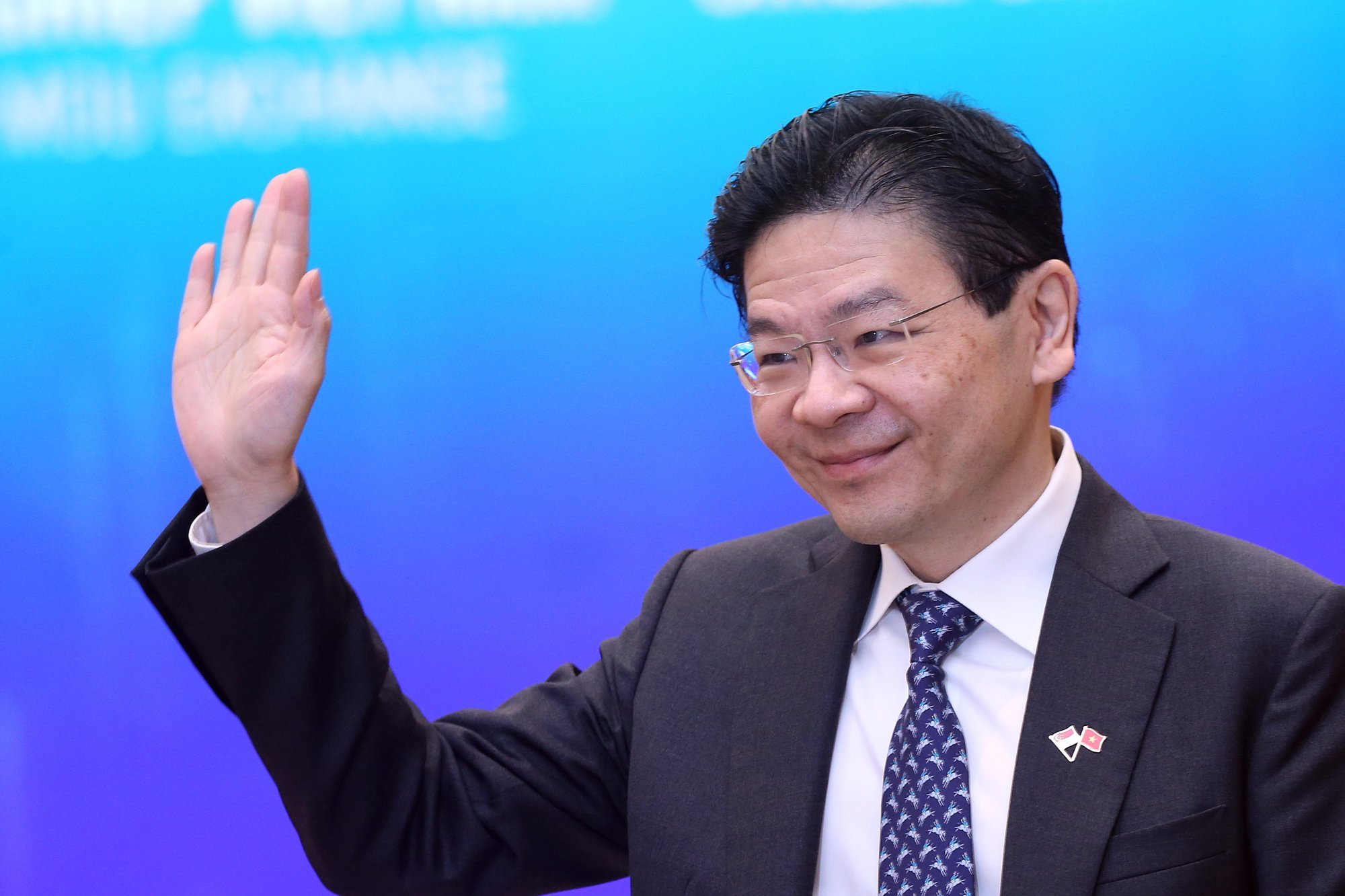
According to Eugene Tan, a law professor at the Singapore Management University, the extended reign of the PAP has taught many Singaporeans that ideal candidates possess attributes such as academic achievements, professional certifications, and technical expertise.
He noted that this is coupled with a focus on meritocracy, highlighted by the most talented individuals in the political sphere. Therefore, parties must demonstrate how well their candidates measure up.
Since 1959, the year preceding Singapore's independence in 1965, the PAP has been at the helm of the nation's governance. This makes it one of the longest continuously ruling parties in contemporary democratic systems.
For many years, the PAP has relied heavily on the public service and military to recruit talented individuals, which has contributed to its image as a party led by technical experts.
Prime Minister Lawrence Wong previously served as the head of the Energy Market Authority prior to being nominated by the PAP for West Coast in 2011. His predecessor, Lee Hsien Loong, who is the son of Singapore's founding Prime Minister Lee Kuan Yew, had a career as a brigadier-general in the military before entering politics in 1984.
Apart from Wong, many of the nation's fourth-generation leadership group—often recognized as such—are seasoned public administrators. This includes Health Minister Ong Ye Kung, National Development Minister Desmond Lee, and Deputy Prime Minister Heng Swee Keat. On the other hand, Education Minister Chan Chun Sing transitioned into politics after leaving his role as military head in 2011.
Since 2006, at least one senior military official has resigned from their post to contest each election. Following their victories, all these individuals have assumed positions within government ministries as political appointees.
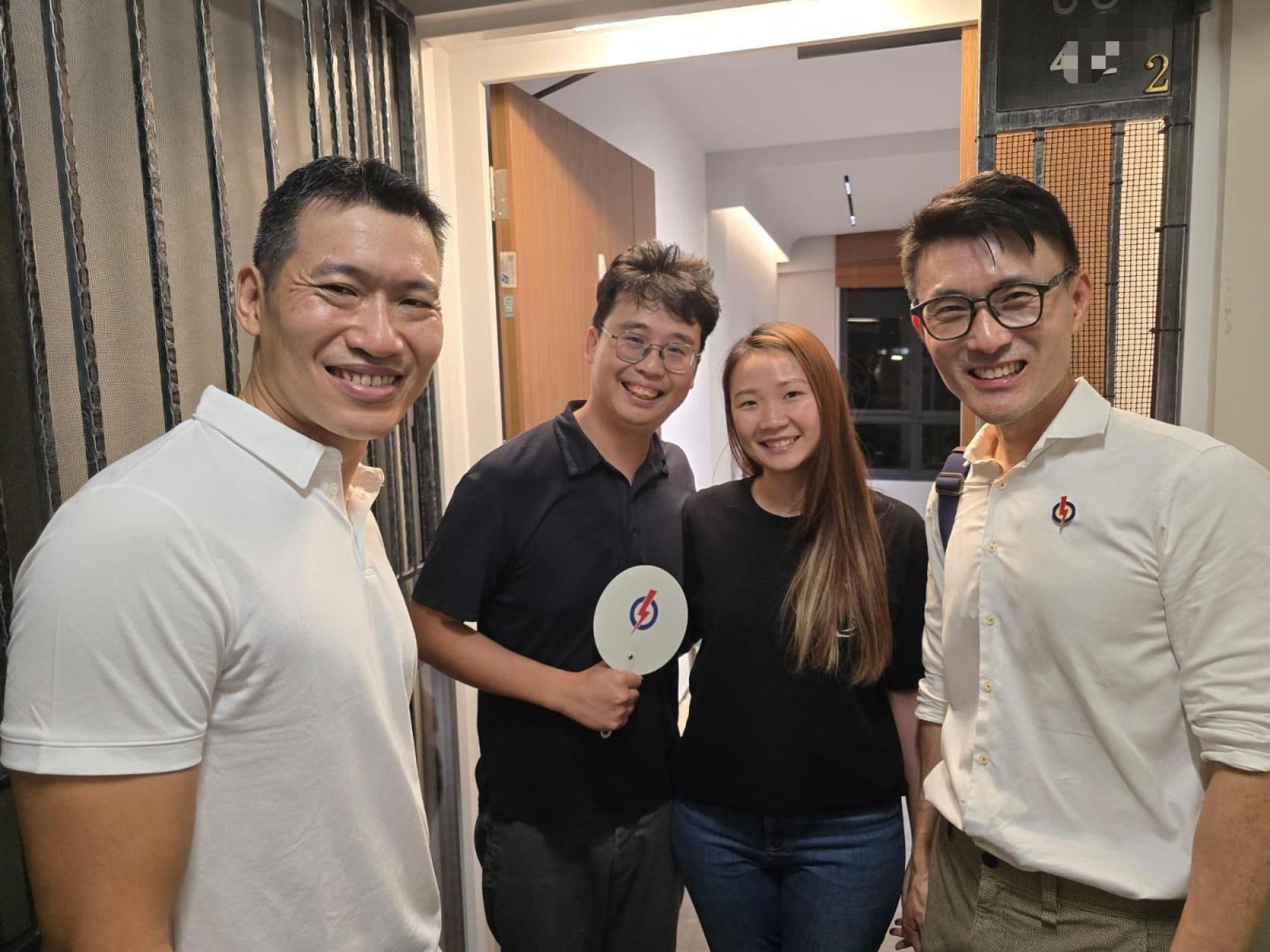
Elvin Ong, an associate professor of political science at the National University of Singapore, stated to This Week in Asia that the public sector has historically been a fertile ground for top-tier candidates for the PAP.
"Due to frequent interactions between politicians and bureaucrats, voters have become quite acquainted with these candidates. This familiarity allows them to assess the personalities and capabilities of the contenders effectively. As a result, voters generally perceive these candidates as highly competent and are inclined to support them," explained Ong.
Felix Tan, an independent political analyst, observed that numerous previous candidates from the public sector were government scholars who thrived within the framework established by the PAP. They viewed joining politics through the party as an opportunity to repay society for their successes.
Regarding the effectiveness of hiring individuals from similar backgrounds for winning over voters, Felix Tan asserted that Singaporean voters placed greater importance on candidates' qualifications and trustworthiness.
"At the end of the day, the public trusts the PAP as a brand to put in place people who are qualified enough to make policies and run the country effectively. Most of the time PAP attracts people who by and large, with a few exceptions, have been trustworthy."
'Different as individuals'
Although certain online sentiments and alternate media sources within the city-state contended that military generals particularly lacked practical experience for serving the community, Terence Lee, a senior fellow at the S. Rajaratnam School of International Studies, stated that there wasn’t enough proof to support such claims.
"Ng Chee Meng's defeat in 2020 doesn't signify a dismissal of all officials becoming politicians," stated Lee, commenting on the ex-lieutenant-general’s loss in Sengkang after transitioning into a cabinet minister.
Lee pointed out that potential candidates should possess not only the transferable inherent abilities they acquired through their military service but also the external skills related to interpersonal interactions and community involvement.
Teo Kai Key, a research fellow at the Institute of Policy Studies' Social Lab, stated: "Ultimately, it comes down to each individual candidate and their ability to connect with voters, their contributions to Parliament, and their performance as political officials since they vary significantly as individuals despite often being grouped together."
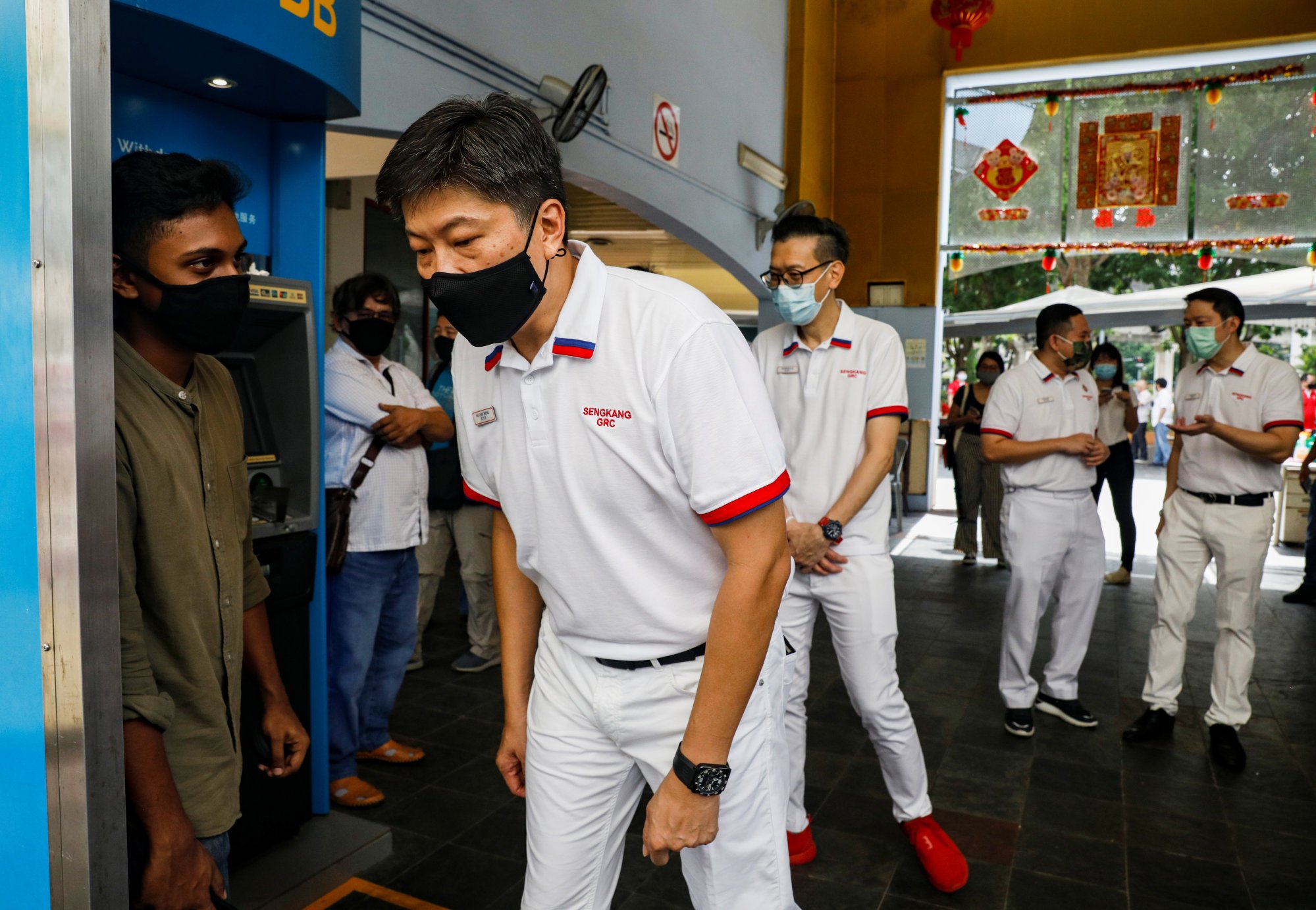
Malminderjit Singh, a political analyst, echoed her thoughts by stating that holding a high position within the public sector does not automatically classify someone as part of an elite group.
Being the governing party aiming to maintain power, the PAP needs to draw in leading talents from both the public and private sectors within the nation.
Singh notes that the public sector has long been a “prime recruiting ground for the PAP,” and this trend exists for valid reasons since several of the organization’s most effective and well-liked leaders during recent administrations have emerged from the civil service.
He stated that public officials possess a strong grasp of grassroots concerns, policy mechanisms, formulating and disseminating policies, as well as navigating broader compromises and practicing servant leadership. These qualities make them highly suitable candidates for assuming political roles.
Ong emphasized that for previous civil servants and retired military members to effectively comprehend and advocate for constituents' needs in parliament, it was crucial for them to possess community engagement experience.
"Preferably, a cabinet should consist of individuals from various demographic groups, possessing different skill sets, experiences, and backgrounds, enabling them to effectively consider multiple viewpoints when crafting policies and create more comprehensive legislation," he stated.
One voter, Singaporean IT professional Royston Tang, aged 44, shared this view and emphasized that individuals transitioning from top positions in the armed forces must demonstrate their ability to understand and relate to citizens' issues. Additionally, he noted that these individuals ought to dedicate more time to familiarize themselves with the specific ministries they might join as political leaders.
He contended that certain ex-military officers who became politicians appeared incapable of forming genuine connections with ordinary citizens.
Tang proposed that a candidate’s profile might benefit from a broader range of experience extending past their service in the military. He stated, “To attract veterans to serve as Members of Parliament, they ought to have at least 15 years of active involvement within the community rather than just showing up during election periods.”
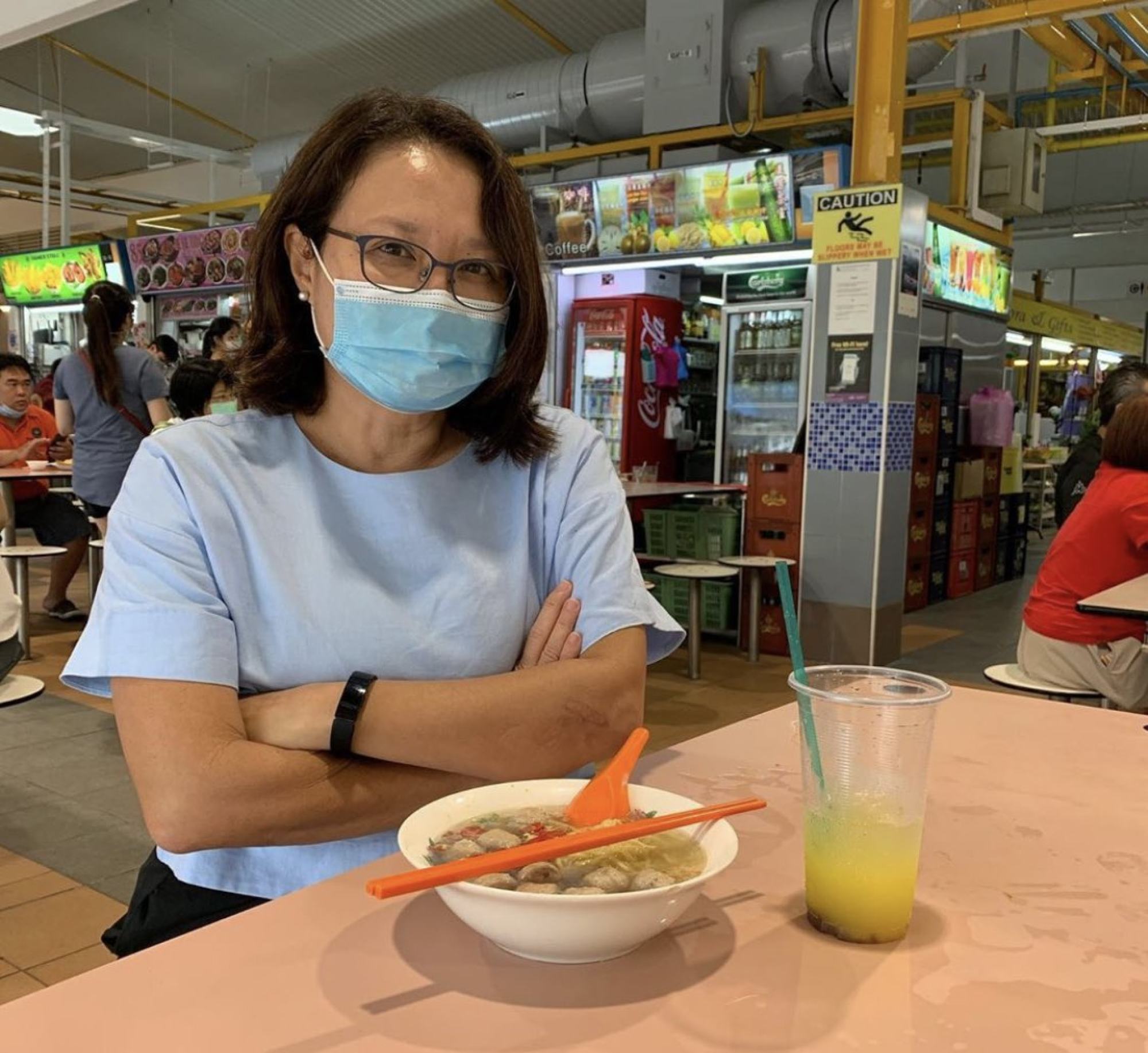
Women and youth
According to experts, the sole deviation from convention in the PAP’s recruitment strategy appears to involve drawing in more youthful participants along with an increased number of female applicants.
In August, Wong mentioned that they intended to run additional female candidates in the upcoming general election. He emphasized that increased representation would offer "a broader array of viewpoints" which could aid in developing superior solutions."
In the previous election of 2020, women secured 27 out of the 93 available seats, which is less than one-third of the total seats. In comparison, the percentage stood at approximately 24% in 2015 and 23% in 2011.
The Dean of NUS forecasts that the PAP will include more women among their candidates, ensuring that each Group Representation Constituency team has at least one female member.
Citing Sengkang, the second multimodal constituency secured by the opposition in the previous elections, Ong pointed out that a common argument for their defeat was the all-male composition of the PAP team. According to Ong, it’s improbable for the PAP to revert to those times.
Onlookers similarly observe that the fresh faces of the PAP so far tend to be comparatively youthful, largely falling within the age range of their mid-30s to early 40s.
Teo mentioned that one of the PAP's selection criteria appears to focus on both maintaining continuity and refreshing the party.
Eugene Tan contended that the focus during this general election was on selecting younger candidates. He explained, “This indicates the governing party’s wish to attract votes from millennials and Generation Z, precisely those groups most open to calls for increased political variety and contestation.”
'No wipeout'
Across the political spectrum in Singapore, as the opposition strengthens its position with steady participation in parliament, it has simultaneously managed to draw more capable contenders into its fold—individuals who previously might have been considered suitable only for roles within the governing body.
Approximately half of the new candidates presented by the PAP usually originate from the public sector, except for the year 2015 when around 60 percent came from the private sector. On the contrary, enlisting people directly from the public service has seldom happened for the opposition parties.
Certain exemptions encompass Workers' Party (WP) chair Sylvia Lim, who was employed at a polytechnic during her candidacy for WP in 2006; ex-WP member and sociology lecturer at the National University of Singapore Daniel Goh; as well as Professor Paul Tambyah, an expert in infectious diseases affiliated with the National University Health System and serving as the chairman of the Singapore Democratic Party.
Recently, Ong Lue Ping, who serves as a senior principal clinical psychologist at the Institute of Mental Health, has been seen campaigning in WP blue in the eastern part of Singapore.
Previously, the main emerging talents within the party mostly came from the private sector and consisted of a prominent attorney, several consultants, and business owners. In recent years, the WP has successfully drawn in alumni from top-tier institutions like Harvard, Oxford, and Cambridge Universities.
Analysts interviewed by This Week in Asia suggested that this indicated a increasing normalization of opposition politics, primarily driven by the WP, which attained credibility through winning parliamentary seats.
"Wong Pei Feng’s move isn’t the first instance nor will it be the last where individuals from the public sector venture into opposition politics. This indicates that the perceived stigma associated with being part of the opposition is no longer a significant concern," commented Tan from SMU.
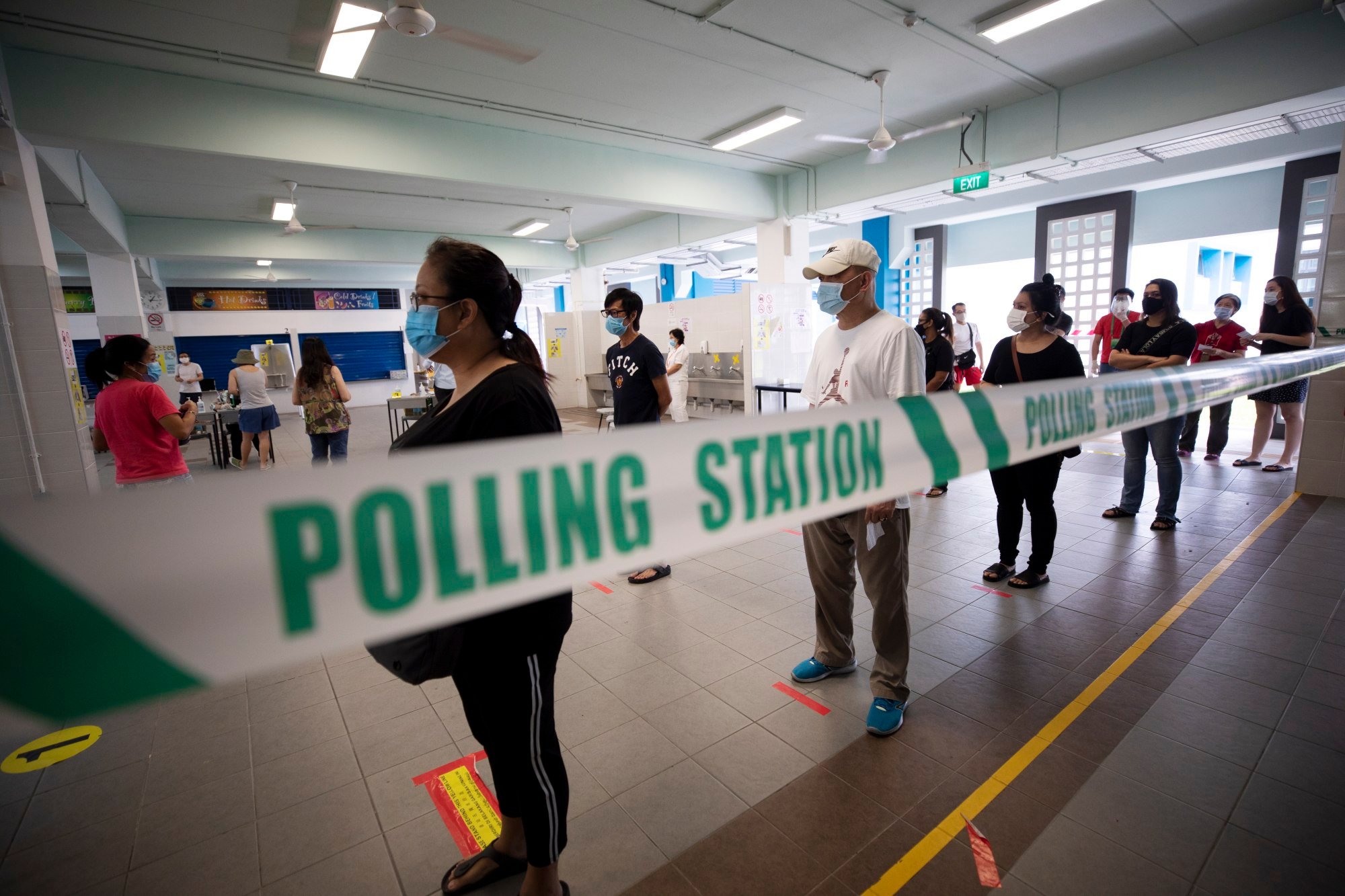
During the 1980s and 1990s, individuals who opposed the government in Singapore faced lawsuits for defamation brought by leaders of the PAP, often resulting in significant financial burdens or bankruptcy.
Nonetheless, Ong joining the WP signifies what a "mature political system ought to produce," as per Tan's view.
He stated that as the quality of opposition politicians narrows the gap with those from the People's Action Party (PAP), we can expect not to see a complete rout of the opposition in upcoming elections.
Teo highlighted that numerous individuals who eventually joined the WP ranks were often volunteers or had previously worked with the party long before their association became known to the public or the media.
She noted that this demonstrates the WP’s general capability to attract and keep top-tier talent, as well as persuade them to stand as candidates for the opposition.
The inclusion of public officials joining opposition parties indicates that the political environment in Singapore has evolved to a stage where multiple political entities exist, offering various options for those who aspire to serve their country through politics.
More Articles from SCMP
China's CATL maintains its commitment to Hong Kong with intentions to list this quarter, according to sources.
China delivers two advisories regarding U.S. travel to its nationals, advising 'prudence.'
Mario Carbone’s fiancée, Cait Bailey, resembles Margot Robbie. She is a prominent publicist known for representing figures such as Zayn Malik, social media stars Charli D'Amelio and Alix Earle, and podcast host Alex Cooper.
Encounter Joe Rogan’s estranged half-sister Rosa Rogan Lunelli, a supporter of Trump, who is now criticizing him. The makeup artist took issue with the podcaster's characterization of their father as 'psychotic.'
The article initially appeared on the South ChinaMorning Post (www.scmp.com), which serves as the premier source for news coverage of China andAsia.
Copyright © 2025. South ChinaMorning Post Publishers Ltd. All rights reserved.