6 Unmissable Cult Italian Films You Need to See Once in Your Lifetime

Fellini, Visconti, Sorrentino, Benigni... These Italian filmmakers have etched their signatures into the annals of cinematic history across multiple decades, offering an abundance of exceptional works... each worth watching at least once in one’s lifetime. Below are our top six picks.
Being fascinated by Italian cinema means delving into a distinctive approach to narrating tales, portraying life, and playing with visuals and feelings. It involves embracing an audacious and pioneering style along with genres like neorealism from the 1940s, spaghetti Westerns, which have had a global impact. giallo —a mix of suspense and stylish terror— cinema from Italy occupies a distinctive position within the seventh art. To discover some of the top Italian movies worth watching at least once in your lifetime, read on.
Eager for film knowledge? Dive deeper into the subject:
- Here is the ultimate list of must-see cult movies that you should watch at least once in your lifetime.
- The top suspense movies you should see at least once in your lifetime.
- 6 iconic movies where Venice steals the show as the main character
The 6 essential films from Italian cinema
La dolce vita (1960) by Federico Fellini
Marcello Rubini is a journalist aspiring for recognition as he navigates the high society scenes of Rome. While mingling with stars, nobles, and creatives, he gets entangled in the shallowness of their lifestyle and grapples with his personal identity crisis.
Why see it? It stands as a remarkable contemplation on seeking significance, enhanced by Fellini’s distinctive visual style, featuring the iconic moment when Anita Ekberg makes her entrance. the Trevi Fountain .
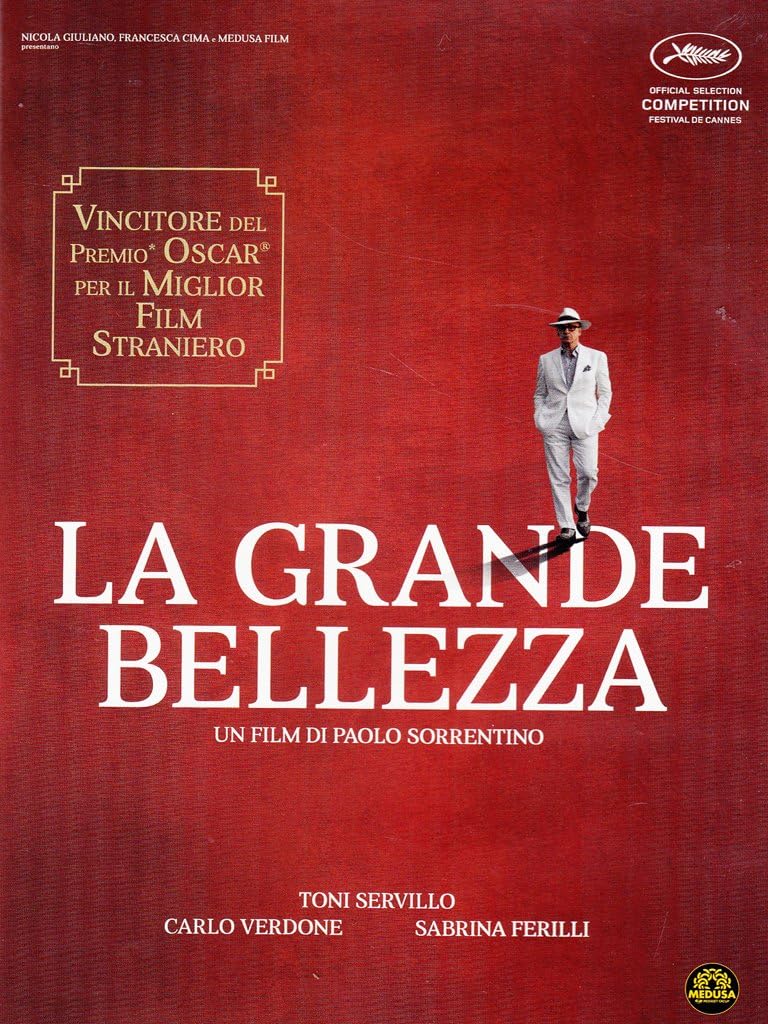
La grande bellezza (2013) by Paolo Sorrentino
Jep Gambardella, a seasoned author, immerses himself in the opulent festivities and elite social scenes of Rome. However, beneath this luxurious surface, he grapples with the hollowness of his life and ponders the significance of living.
Why see it ? A contemporary version of La dolce vita , featuring highly refined aesthetics and a incisive criticism of contemporary society.
Ladri di biciclette ( The Bicycle Thief (1948) by Vittorio De Sica
In war-torn and poverty-stricken Italy, Antonio secures employment as a billboard hanger, relying heavily on his bicycle for his daily tasks. After his bike is stolen, he faces a significant challenge. he travels around Rome along with his son to locate it, battling poverty and hopelessness.
Why see it ? This movie is a prime example of Italian neo-realism, showcasing the tough social conditions of the era with profound human empathy.
Rocco and his brothers (1960) by Luchino Visconti
A poor family from the region of Puglia transfers to Milan with dreams of a brighter future. Conflicts and competitions between the siblings, mainly regarding boxing and romance, result in unavoidable clashes.
Why see it ? A poignant family drama that vividly captures the social landscape of 1960s Italy with zest.
La vita è bella (Life is Beautiful) (1997) by Roberto Benigni
Guido, a Jewish father, employs his sense of humor and creativity to shield his son from the atrocities of a concentration camp by transforming their time there into a 'game.' He devises rules to sustain this pretense and keep hope alive for his child.
Why see it ? Both funny and poignant, La vita è bella approaches a challenging topic with sensitivity and creativity, highlighting love and bravery.
Roma città aperta (Rome, Open City) (1945) by Roberto Rossellini
In the time when Nazis occupied Rome, resistance fighters fought against their oppressors, aided by brave individuals like Pina—a devoted mother—and a dedicated priest.
Why see it ? This movie, a trailblazer for neo-realism, depicts the challenges and bravery of Italians facing suppression.